
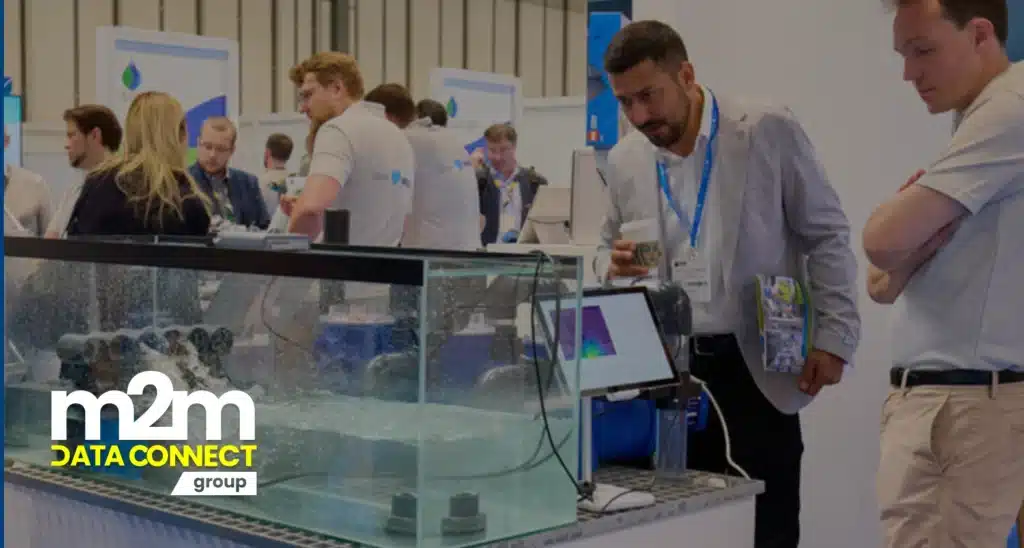
Exploring the Future of Water and Wastewater Monitoring at WWEM 2026
WWEM 2026 takes place at the NEC Birmingham on 16 and 17 September 2026, bringing together professionals from across water, wastewater, environmental monitoring and related technology sectors.
The event forms part of the wider Environmental Services & Solutions Expo and focuses on the technologies, systems and strategies helping organisations improve water quality, wastewater treatment, flood management and environmental monitoring.
The wider water sector at ESS Expo covers areas including:
- Water quality monitoring
- Wastewater treatment
- Flood prevention
- Stormwater management
- Leak detection
- Smart water networks
- Water reuse and recycling
- Hydrological monitoring
- Remote sensing
- Pumping and irrigation
- Drainage systems
- Drought management
- Water treatment technologies
Water Management is Becoming More Connected
Water and wastewater infrastructure increasingly relies on connected devices to collect data from treatment plants, pumping stations, reservoirs, remote monitoring locations and distribution networks.
IoT technology can help organisations monitor:
- Water levels
- Flow rates
- Pressure
- Temperature
- Water quality
- Pump performance
- Leak detection
- Equipment status
- Energy consumption
- Flood conditions
- Tank levels
- Remote assets
Reliable connectivity allows this data to be transmitted from equipment in the field to central management platforms where it can be analysed and acted upon.
Reliable Connectivity for Remote Water Monitoring
Water infrastructure is often spread across large geographical areas.
Monitoring equipment may be installed at:
- Reservoirs
- Rivers
- Pumping stations
- Treatment facilities
- Drainage networks
- Remote storage tanks
- Flood monitoring locations
- Agricultural sites
- Industrial facilities
Many of these locations may not have access to reliable fixed broadband.
IoT Data Connect provides managed IoT SIM connectivity that can support remote water monitoring equipment without relying entirely on local Wi-Fi or fixed-line infrastructure.
Multi-Network IoT Connectivity
Mobile coverage can vary between urban, rural and remote locations.
A network that performs well at one site may provide weaker coverage at another.
IoT Data Connect multi-network IoT SIMs can allow compatible devices to access multiple mobile networks rather than relying entirely on a single operator.
This can provide additional connectivity options for:
- Remote water sensors
- Pumping stations
- Reservoir monitoring
- Flood detection systems
- Smart water meters
- Leak detection equipment
- Wastewater monitoring
- Mobile engineering equipment
The most suitable configuration will depend on the location, data requirements and resilience needs of each deployment.
Water Quality Monitoring
Connected water quality sensors can provide regular information about the condition of water sources and treatment systems.
Depending on the equipment, sensors may monitor:
- pH
- Temperature
- Turbidity
- Conductivity
- Dissolved oxygen
- Chlorine levels
- Chemical concentrations
- Flow conditions
The sensor collects the information, while the IoT connection allows that data to be transmitted to an authorised monitoring platform.
This can help teams monitor changing conditions remotely and identify potential issues more quickly.
Wastewater Monitoring
Wastewater treatment facilities increasingly rely on digital monitoring to understand equipment performance and treatment conditions.
Connected systems can help monitor:
- Flow rates
- Tank levels
- Pump operation
- Equipment faults
- Chemical dosing
- Energy consumption
- Treatment performance
- Environmental conditions
Reliable connectivity can help ensure operational data reaches authorised systems consistently.
Smart Water Networks
Smart water networks use connected sensors and communication systems to provide greater visibility across water infrastructure.
Applications can include:
- Smart metering
- Pressure monitoring
- Flow monitoring
- Leak detection
- Pump monitoring
- Tank level monitoring
- Valve monitoring
- Remote equipment management
This data can help organisations understand how infrastructure is performing across large areas.
IoT connectivity provides the communication link between remote equipment and the central systems used to manage the network.
Leak Detection and Pressure Monitoring
Leaks can lead to significant water loss, infrastructure damage and increased operational costs.
Connected sensors can help organisations detect unusual changes in flow or pressure.
Depending on the system, alerts may be triggered when:
- Pressure suddenly drops
- Flow increases unexpectedly
- Water usage changes
- Equipment stops reporting
- A potential leak is identified
Remote alerts can help technical teams investigate problems more quickly.
Flood and Water-Level Monitoring
Connected sensors can also play an important role in flood monitoring and water management.
Equipment may be installed near:
- Rivers
- Streams
- Reservoirs
- Drainage systems
- Flood-prone roads
- Culverts
- Coastal areas
- Stormwater infrastructure
Sensors can monitor water levels and transmit regular readings to remote platforms.
Alerts can then be generated when predetermined thresholds are reached.
This can support earlier awareness of changing conditions and help organisations manage flood risk.
Pumping Stations and Remote Equipment
Pumping stations are often located away from staffed facilities.
Connected monitoring systems can provide information on:
- Pump status
- Operating hours
- Power consumption
- Flow rates
- Pressure
- Equipment faults
- Maintenance requirements
Remote monitoring can help engineering teams identify potential equipment issues without having to visit every site manually.
Environmental Monitoring
Water management projects often involve monitoring wider environmental conditions.
Connected devices can support applications including:
- Rainfall monitoring
- Groundwater monitoring
- Weather stations
- Soil moisture
- River conditions
- Temperature
- Humidity
- Pollution monitoring
Secure Remote Connectivity
Water infrastructure can form part of critical operational systems, so organisations may require additional control over how connected devices communicate.
IoT Data Connect can provide connectivity options including:
- Private APNs
- VPN connectivity
- Fixed public or private IP addresses
- IP whitelisting
- Restricted internet access
- SIM-to-SIM communication
- Usage limits and alerts
These options can help create a more controlled communications environment for remote equipment.
Fixed IP and Remote Access
Some water and wastewater equipment may need to be accessed remotely for diagnostics, maintenance or configuration.
Fixed IP connectivity can provide a consistent address for compatible remote equipment.
When combined with Private APNs and VPN connectivity, authorised teams can securely access remote systems without relying on the local site network.
This can help reduce unnecessary engineer visits and support remote technical management.
Centralised IoT SIM Management
Large water infrastructure networks may involve hundreds or thousands of connected devices.
IoT Data Connect provides centralised connectivity management tools that can help organisations control their IoT SIMs from one platform.
Depending on the selected service, organisations can:
- Activate or suspend SIMs
- Monitor data usage
- Create usage limits
- Configure alerts
- Review connection activity
- Organise SIMs by site or device
- Identify inactive equipment
- Investigate unusual data consumption
- Export usage reports
Centralised management can provide greater visibility as connected water infrastructure grows.
Supporting Smarter Water Management
Water management technology is becoming increasingly data-driven.
From wastewater treatment and leak detection to flood monitoring and smart water networks, organisations are using connected devices to gain greater visibility over infrastructure and environmental conditions.
Reliable IoT connectivity provides the link between these physical systems and the platforms used to monitor them.
Visit WWEM 2026
WWEM takes place at the NEC Birmingham on 16 and 17 September 2026 as part of the Environmental Services & Solutions Expo.
The event provides an opportunity to discover technologies and ideas shaping the future of water quality, wastewater treatment and environmental monitoring.
Connect Your Water Technology with IoT Data Connect
IoT Data Connect provides secure, scalable and managed IoT connectivity for water quality monitoring, wastewater systems, pumping stations, flood monitoring, leak detection and other remote water applications.
Whether you are connecting a single sensor or managing thousands of devices across a national water network, our IoT connectivity solutions can help keep your technology online and under control.
Contact IoT Data Connect to discuss the connectivity requirements for your next water or wastewater monitoring deployment.